
Fire Alarm Systems Security Systems Commercial Security Systems Apr 30, 2026, 3:00:00 PM General Security 4 min read
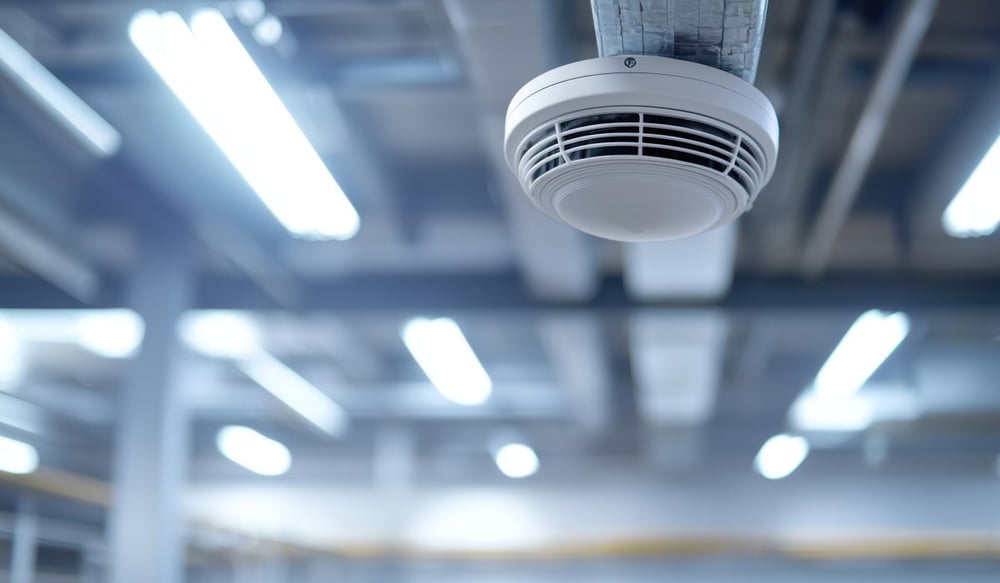
Commercial fire alarm systems are purpose-built for businesses, and they work differently from the smoke detector in your office break room. Most business owners don’t give fire protection much thought until they’re facing a building inspection, a lease requirement, or something they’d rather not think about. That’s the wrong time to start.
A U.S. fire department responds to a fire every 24 seconds. A structural fire occurs every 63 seconds. Source: National Fire Protection Association (NFPA) — nfpa.org
Those numbers aren’t meant to alarm you — they’re meant to put the stakes in context. When a commercial fire alarm system is properly installed and connected to 24/7 central station monitoring, it doesn’t wait for someone to call 911. It dispatches first responders automatically, often while the fire is still small enough to contain.
What Does a Commercial Fire Alarm System Actually Include?
A commercial fire alarm system is designed to detect a fire or smoke event, alert everyone in the building, and simultaneously notify a central monitoring station that dispatches first responders — without requiring anyone on-site to make a phone call.
At General Security, a commercial fire alarm installation is built around your facility’s specific needs, starting with a thorough assessment by certified systems engineers. From initial planning and layout through final inspection, every component is installed to meet local, state, and federal fire codes as required by the National Fire Protection Association (NFPA).
A complete system typically includes:
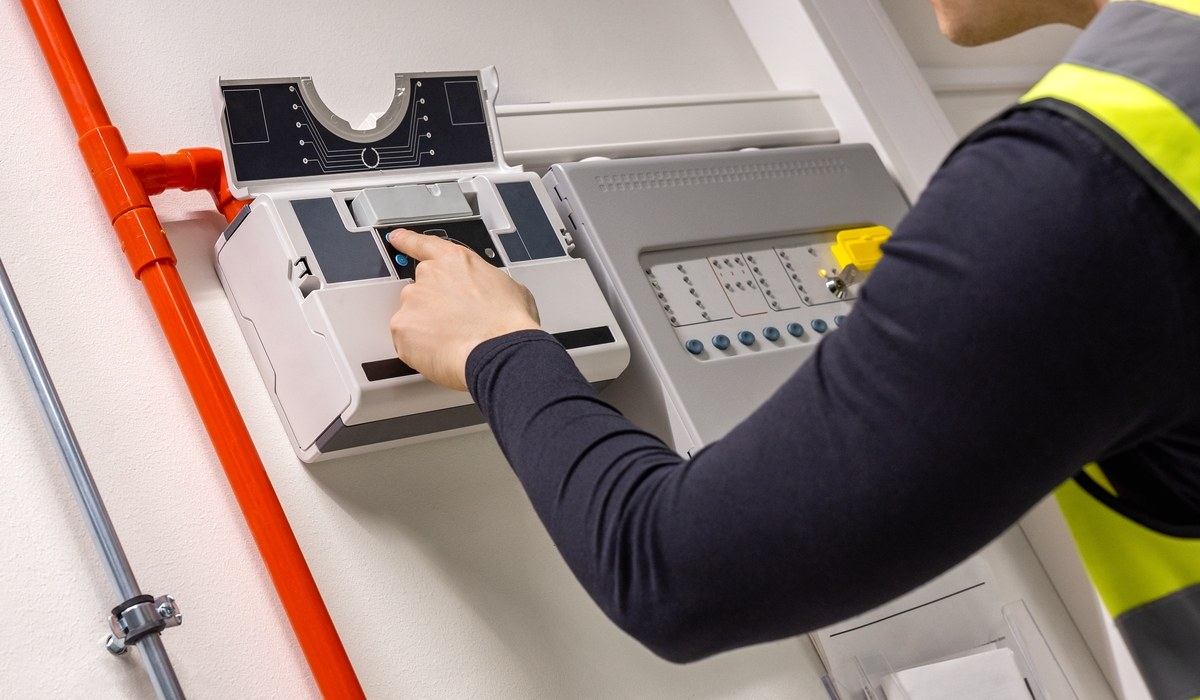
Control panel: The operational hub of the system, running 24/7 to manage zones, signals, and communication with the monitoring center.
Smoke detectors: Provide real-time alerts to employees and first responders the moment smoke is detected.
Carbon monoxide detectors: Immediately alert occupants to this odorless, colorless gas — one of the most difficult hazards to detect without dedicated equipment.
Notification appliances: Sirens, bells, horns, and strobes notify people locally of an emergency by audible sound and/or visuals.
Communication devices: These include cellular/IP radios and DACTs (Digital Alarm Communicator Transmitters, which use a phone line). These devices carry your fire alarm's signal to the central monitoring station immediately, so first responders can be dispatched.
How Does Commercial Fire Alarm Monitoring Work?
When a commercial fire alarm is triggered, the system sounds inside your building and simultaneously connects to a central station monitoring facility staffed around the clock. Trained monitoring agents immediately dispatch the fire department to your location. No phone call is required and there is no delay waiting for someone to respond.
General Security’s commercial fire alarm systems are monitored through our TMA Five Diamond certified central station — the highest level of monitoring certification in the security industry. It means your alarm is handled by trained professionals operating under rigorous standards, every hour of every day.
This matters most when a fire starts after hours. An unmonitored system sounds an alarm in an empty building. A monitored fire alarm system ensures someone is always listening.
What Are the Compliance Requirements for Commercial Fire Alarm Systems?
Commercial fire alarm systems must comply with NFPA codes and local and state fire regulations. Those requirements vary depending on your building type, occupancy, and jurisdiction. Installation by a certified, licensed technician isn’t optional. It’s required.
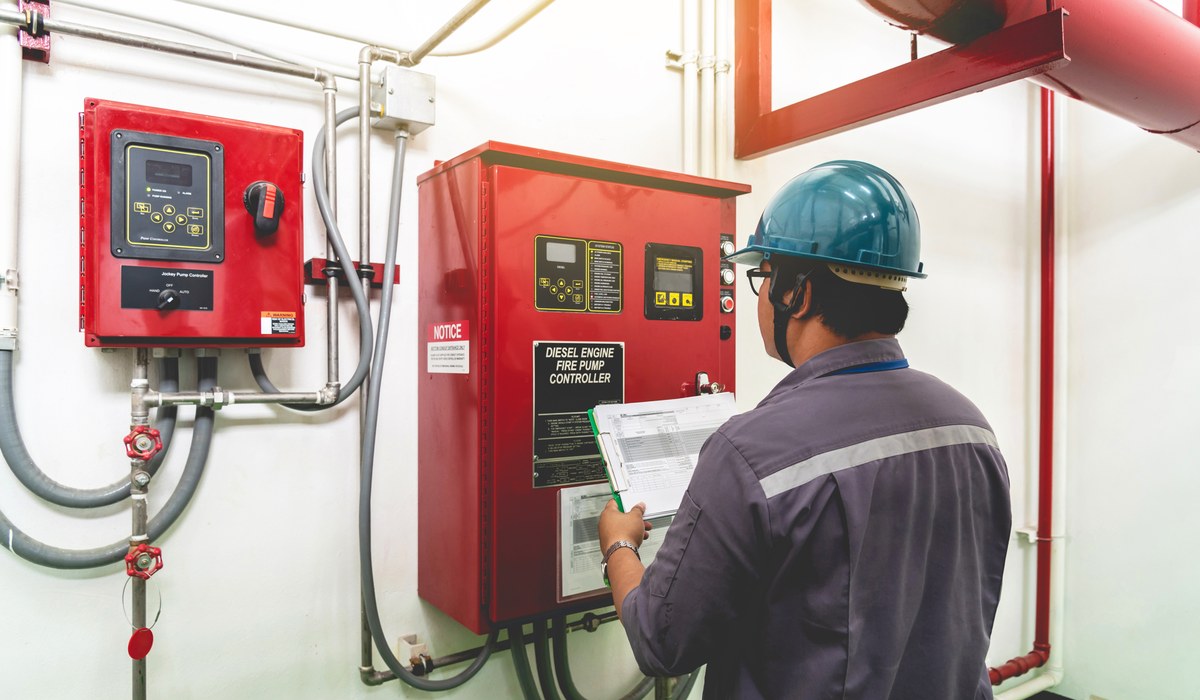
Beyond the initial installation, most jurisdictions require regular fire alarm inspections and testing — typically quarterly or monthly — to ensure all components are functioning. Our maintenance and inspection services cover a complete functional walk-through of:
- Security alarm panel
- Batteries and fuses
- Input and output signals
- External sounders and detectors
- Remote signaling equipment
Staying current on inspections also matters for insurance. Many carriers require documented maintenance records for fire alarm systems, and lapses can affect your coverage eligibility if a fire occurs.
 Does a Commercial Fire Alarm System Protect Neighboring Properties Too?
Yes — a fast response to a commercial fire can protect more than the building where the fire started. Fire spreads. A contained response in the first minutes can prevent structural damage from reaching adjacent businesses, neighboring tenants, and shared infrastructure. That’s why the NFPA frames commercial fire alarm systems not just as a business asset, but as a community safety measure.
For property managers, landlords, and multi-tenant building owners, this isn’t an abstract concern. A monitored commercial fire alarm system is one of the few investments that simultaneously protects your tenants, your liability exposure, and the businesses around you.
How Do You Get Started with a Commercial Fire Alarm System?
The right starting point is a facility assessment from a certified provider who can evaluate your building’s layout, occupancy, and code requirements, and design a system that actually fits your operation rather than a generic package.
General Security installs and monitors commercial fire alarm systems for businesses throughout the U.S. Every system is designed, installed, and inspected by certified technicians and monitored through our TMA Five Diamond certified central station. Request a free quote or call us today.