
Home Security Tips Home Security News Security Systems Smart Homes Video Surveillance Oct 2, 2026, 11:45:00 AM General Security 4 min read

After buying a home and preparing your move, ask yourself: Who could still get into this house? A previous owner, their real estate agent, a contractor, or a dog walker may still have a key. Before move-in day, treat the locks and any installed security system as unknowns, not inherited assets. Necessary steps to take include:
-
Rekey or replace the locks, even if the home has an alarm system.
-
Don't assume an existing security system still works or is still monitored.
-
Smart locks can solve both problems at once by replacing physical keys entirely.
-
Add a connected smoke/CO alarm and at least one camera early, since they're the fastest advantages for new-home safety.
-
Schedule a security consultation before or immediately after closing. Don't wait until after you've moved your boxes into the house.
 What Should Be on a New Homeowner's Security Checklist?
A new-homeowner security checklist should cover the locks, any existing alarm or camera system, the smart home features worth adding first, and the choice between professional installation and DIY. Also, ask your insurance company about homeowners insurance savings if you install or upgrade to a modern security system.
Should You Trust a Security System Already Installed in a New Home?
A security system left behind by a previous owner generally cannot be reliably taken over by a new resident. A new communication path is typically required regardless.
In practice, that means an existing keypad or camera on the wall is not a security system you can simply start using. It is hardware that needs to be evaluated, reset, and in most cases re-registered under a new monitoring account before it does anything useful. The safest assumption for a new homeowner is that any inherited system is not currently protecting the home until it has been professionally checked.
Should You Rekey the Locks When You Move Into a New Home?
“Rekeying” means replacing the pins inside an existing lock so old keys no longer work. It’s one of the most commonly recommended first steps for new homeowners, whether or not the home has a security system. A security system protects against someone breaking in, but it does nothing about someone who still has a working key and simply walks in through the front door.
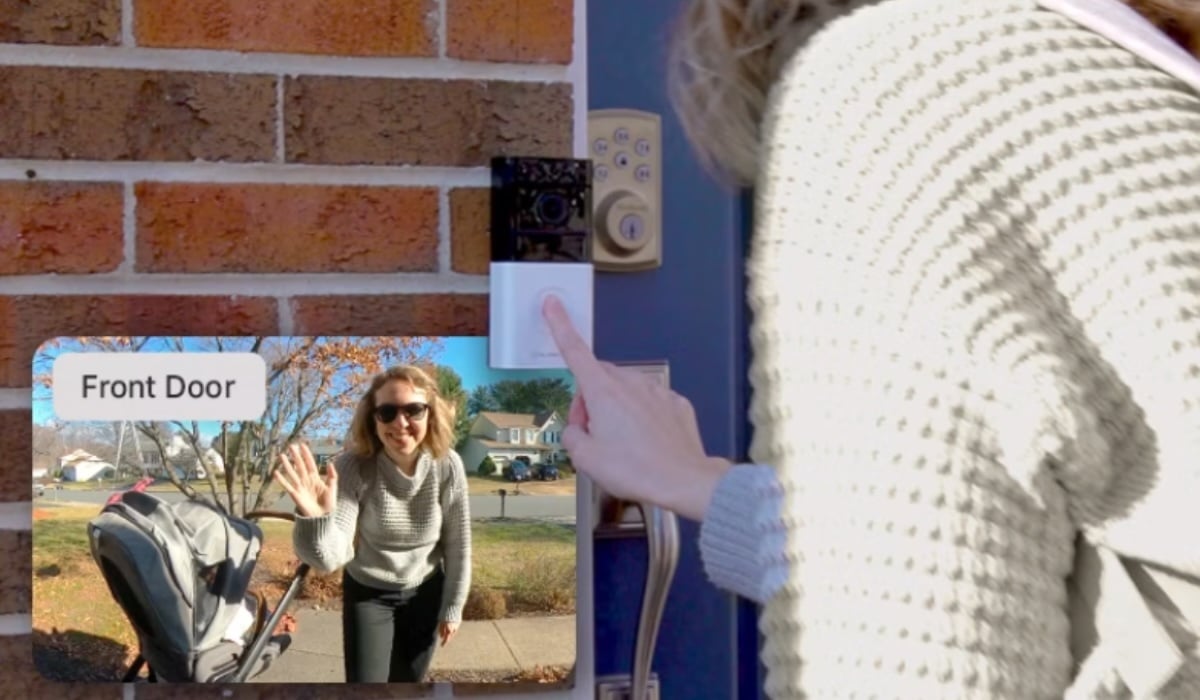
Another option worth considering is switching to a smart lock, which removes the physical-key problem entirely by using codes or app-based access instead. Smart locks let you grant trusted visitors access remotely without hiding a spare key. Click here for our best smart locks.
What Smart Home Security Features Should New Homeowners Add First?
Beyond locks, there is a short list of features to prioritize early for peace of mind and comfortable living. They include:
-
Connected security system with central station monitoring
-
Smart locks (see above)
-
Connected smoke and carbon monoxide alarms
-
Motion-sensored indoor and outdoor cameras
-
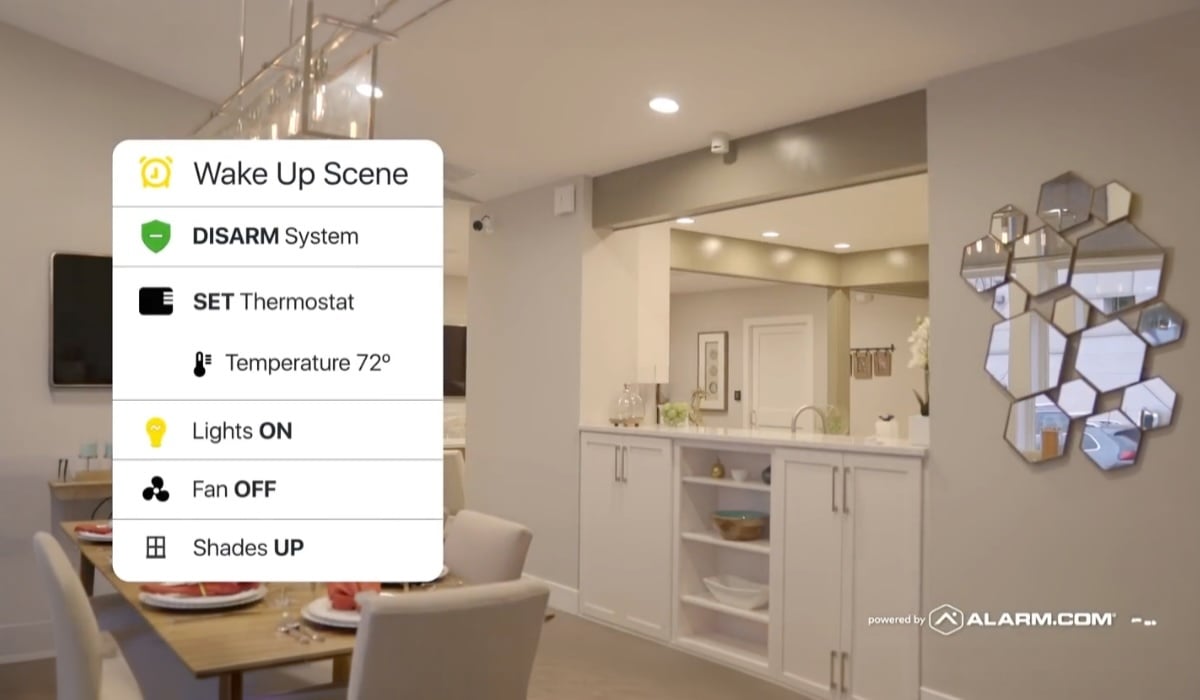
Smart home automation to control locks, lights, thermostats, and garage doors
If done correctly, these features can be accessed and controlled from your phone and provide remote monitoring, real-time alerts, video analytics data, and more customization options.
Should You Choose Professional Installation or DIY for a New Home Security System?
The right choice depends on the home's wiring, how many entry points need coverage, and how much setup time you want to take on during an already busy move. For a new homeowner specifically, a professional walk-through has one added benefit: a technician evaluating a home for the first time can flag entry points, wiring, or blind spots a previous occupant's setup never addressed.
Can a New Home Security System Help Lower Your Homeowners Insurance?
It can in some cases. Click here to learn how home security systems can help with homeowners insurance. Since discount eligibility and amounts vary by insurer and policy, new homeowners should confirm specifics directly with their insurance provider rather than assuming a flat savings figure.
Insurers price premiums based on risk, and a monitored home equipped with a smart alarm system, smoke and CO detectors, water leak sensors, and more may be less likely to generate a costly claim than an unprotected one. That lower risk can translate into a lower premium.
A professional security technician evaluating a home for the first time can flag entry points, wiring, or blind spots a previous occupant's setup never addressed.
When Should You Schedule a Home Security Consultation After Buying a Home?
Have a consultation before move-in day, if possible, or as close to it as you can manage. Scheduling that conversation early means you can sort out locks, cameras, and monitoring before the moving truck arrives, rather than weeks into living in a house that still has unknowns attached to it.
General Security reviews your home's specific security needs, camera and automation preferences, and other features before installing anything. Contact us to talk through what a new-home security setup should include for your specific property.