
How To Choose the Best Access Control System for Your Organization
Security Cameras Commercial Security Systems Jun 16, 2026, 10:00:00 AM General Security 7 min read
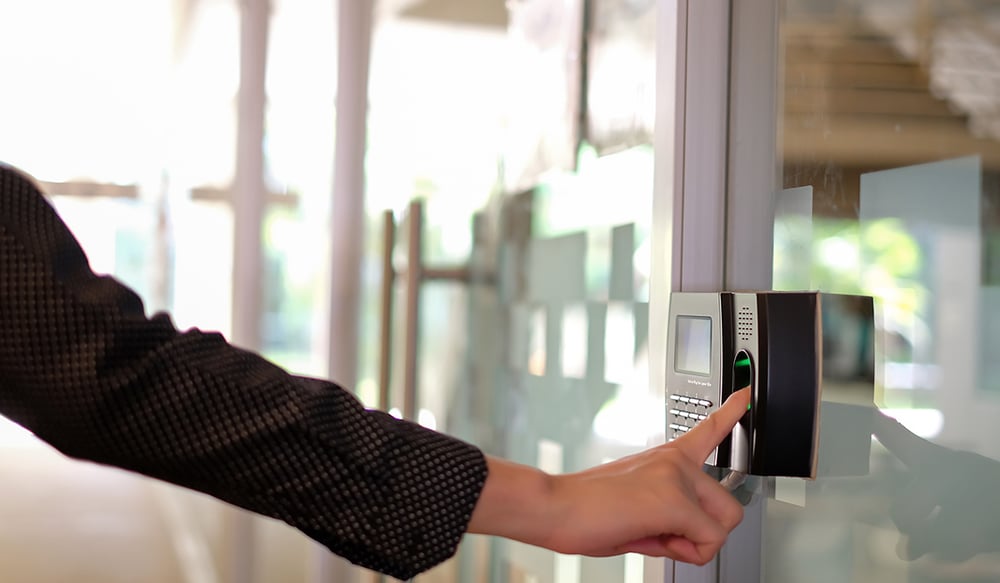
The safety and security of employees, assets, and property are always top of mind for any business.
Access control systems serve as your eyes and ears, especially when you cannot be there. Incorporating technologies such as keycards, intercom entrance systems, remote monitoring, and smart technology integrations can be the difference between injuries, property damages, lost revenues, and even fatalities.
Whether protecting a small business, multi-unit corporation, hospital system, or retail store, an advanced access control system with real-time mobile device alerts is a necessary safeguard.
Below we’ll discuss access control system features and benefits, as well as components, smart integrations, and more.
What Is a Commercial Access Control System?
Definition: A commercial access control system monitors doors, entryways, and specialized-area authorizations through one cohesive, clearance-level database, using features such as keycards, remote video monitoring, and intercom entrance systems to deter trespassers, thefts, and other activities.
Keeping tabs on the workplace and its surroundings while monitoring employee performance can be a daunting task. Many organizations, especially large multi-location entities, will hire a private security company to do so. While this is helpful, it can also be costly and time-consuming. Utilizing an access control system with innovative features such as keycards, remote video monitoring, and intercom entrance systems works concurrently to deter trespassers, thefts, and other unsavory activities.
These also help restrict access to unauthorized areas and maintain optimal employee working hours. When used with security cameras and remote monitoring, access control systems can also assist department managers with personnel matters and customer disputes.
Whether protecting a small business, multi-unit corporation, hospital system, or retail store, an advanced access control system with real-time mobile device alerts is a necessary safeguard.
What Are the Benefits of a Commercial Access Control System?
Access control systems monitor doors and entryways and specialized area authorizations through one cohesive, clearance-level database. This is especially helpful for agencies handling sensitive information, facilities with frequent visitors, or multi-location operations.
Consider adding remote video monitoring and entrance intercoms — both of which capture suspicious activities via still images and video footage.
What Are the Types of Access Control Systems?
Ranging across several different classification levels, the most common categories are: discretionary, mandatory, and role-based. Factors to consider include a company’s size, type, and number of employees and security clearance authorizations.
Learn more about each level to determine the best fit for your organization:
| Type | Who Controls Access | How It Works |
| Discretionary | A vetted, trustworthy, and qualified employee | Permits businesses to control and amend access levels for full-time employees, visitors, contractors, delivery personnel, and others |
| Mandatory | A designated system administrator or security officer | Controls areas demanding the highest protection |
| Role/Rule-Based | Administrators | Assigns access based on job titles and responsibilities; a full-time employee has a different level than a part-time contractor, visitor, delivery person, or other temporary guest |
What Are the Components of an Access Control System?
An efficient access control system is built from keycards, intercom/entrance systems, and remote video surveillance and monitoring.
It’s best to work with a reputable provider such as General Security when implementing this technology. We can recommend a custom solution and conduct a thorough survey, inspection, and assessment. This also comprises updated fire and building codes, Americans with Disabilities Act (ADA) regulations, and equipment testing and training.
Here are more features of an efficient access control system:
Credentials (Keycards & Fobs)
A card or key fob, these magnetic ID cards are read by electronic controllers at various entry points. Most common types include:
- Radio Frequency Identification (RFID)
- Smart Automation
- Proximity
- Wiegand
- Magnetic Stripe Readers (MSRs)
Keycard entry systems can also be integrated with Alarm.com Business Activity Analytics to monitor important data and insights, such as occupancy and crowd control.
Readers
Mounted at restricted doors, entryways, and hallways, readers accept a credential that is swiped, tapped, or inserted. Once access is granted, a signal is sent to unlock the specified door or entryway.
Controllers
The decision-making hardware of the system, controllers receive the signal from each reader and determine whether to grant or deny access based on the credential's programmed permissions.
Locking Hardware
Door strikes and magnetic locks (mag locks) secure each entry point and release on command when a valid credential is presented.
Management Software
A central platform for programming credentials, setting access levels, schedules, and time frames, and reviewing entry activity across all doors and locations.
Where Are Access Control Systems Used?
Note below some of the most common areas for commercial security access control systems.
- Corporate Offices With Multiple Locations: Set access levels based on employees’ roles and responsibilities throughout all areas and locations.
- Small Businesses: Safely manage access points, especially after hours, and ensure employee productivity.
- Bars/Restaurants: Manage and control employee access to help curb internal thefts, low productivity, tardiness, and extended breaks. These systems can also help monitor delivery entrances, kitchens, and dining areas.
- Industrial Facilities & Warehouses: Ensure technicians are working within safety guidelines and only those with appropriate clearances are present.
- Parking Lots & Garages: Gain insight into vehicle arrivals and departures, and watch for vehicle and catalytic converter thefts, break-ins, and vandalism.
- Schools: Effectively manage public safety threats and incidents. This also manages control for in-school events with multiple guests.
- Healthcare Facilities: In accordance with HIPAA compliance, patient care, pharmaceuticals, and other discretionary matters, access control ensures personnel receive access to their appropriate levels.
- Community Centers: Keep employees, visitors, and volunteers safe, and away from restricted areas.
It’s best to work with a reputable provider such as General Security when implementing this access control technology. We can recommend a custom solution and conduct a thorough survey, inspection, and assessment.
How Do Smart Security Integrations Work With Access Control?
With smart integrations, you can program alerts via keycards, video surveillance, and intercom/entrance systems. These can also be integrated with any property’s lights, thermostats, locks, security and doorbell cameras, and more. This is especially prudent for businesses that often receive deliveries after hours, as well as for those in hospitality, for appliance safety and monitoring.
How Do You Protect Your Employees and Assets?
Regardless of your business type and size, safeguarding your employees and property is always top of mind. When enlisting a reputable provider such as General Security, your most important assets will always be protected!
Frequently Asked Questions
What is a commercial access control system?
A commercial access control system monitors doors, entryways, and specialized-area authorizations through one cohesive, clearance-level database, using keycards, remote video monitoring, and intercom entrance systems to deter trespassers, thefts, and other unsavory activities.
What are the three types of access control systems?
The three most common types are discretionary, mandatory, and role/rule-based. The right choice depends on a company's size, type, number of employees, and security clearance authorizations.
What are the main components of an access control system?
The main components are credentials (keycards and fobs), readers, controllers, locking hardware such as door strikes and mag locks, and management software.
What types of businesses use access control systems?
Corporate offices, small businesses, bars and restaurants, industrial facilities and warehouses, parking lots and garages, schools, healthcare facilities, and community centers all commonly use access control systems.
Can access control systems integrate with smart technology?
Yes. Access control can integrate with a property's lights, thermostats, locks, security and doorbell cameras, and more, and can program alerts via keycards, video surveillance, and intercom/entrance systems.
General Security provides commercial security systems featuring key cards, video surveillance, intercom/entrance systems, and more to protect businesses of all sizes across multiple industries. Request a free quote from us today!