
Security Cameras Security Systems Commercial Security Systems Video Surveillance Mar 24, 2026, 10:30:00 AM General Security 7 min read
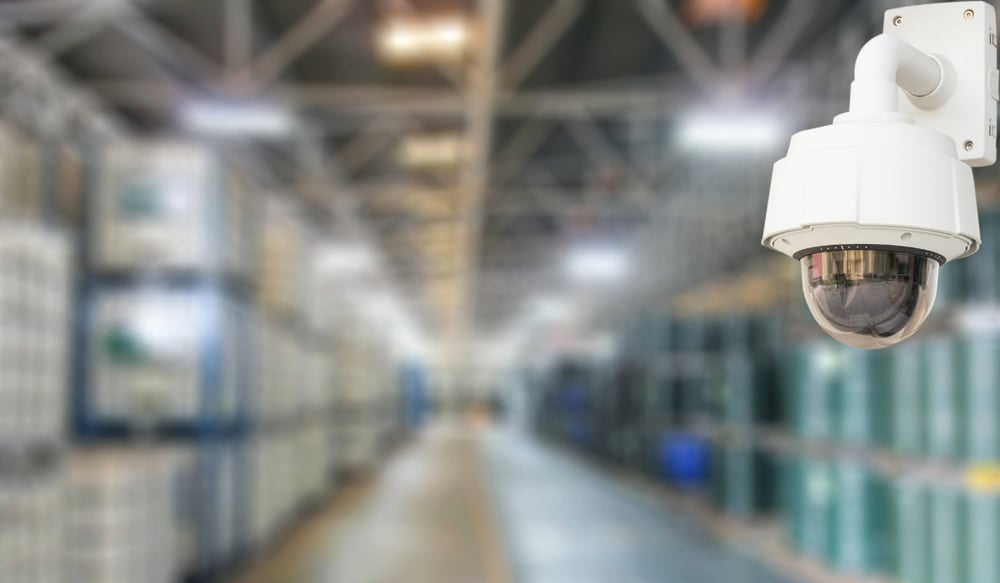
Warehouse and distribution center security has never been more critical. Cargo theft incidents reached a record high in 2024, up 27% from the prior year, with the estimated average value of a single theft exceeding $202,000.
For operations managers and business owners responsible for large facilities, the threat is both external and internal: cargo stolen from loading docks and parking areas, unauthorized after-hours access, and inventory loss during night shifts when staffing levels are lowest.
Video surveillance, access control systems, burglar alarm monitoring, and mobile surveillance work together to create a layered warehouse security system that deters theft, documents incidents, and keeps your facility protected around the clock.
Why Are Warehouses and Distribution Centers High-Risk Targets for Theft?
Distribution centers and warehouses store high-value inventory in large, hard-to-monitor spaces. Extended storage periods, reduced overnight staffing, and large perimeter footprints all create conditions that opportunistic and organized theft groups actively exploit.
Internal theft compounds the problem. It's difficult to track employees with unrestricted access to inventory, receiving docks, and storage areas without real-time video surveillance and access control monitoring.
What Security Systems Does a Warehouse or Distribution Center Need?
A comprehensive warehouse security system typically includes video surveillance cameras covering interior and exterior zones, a monitored burglar alarm system, keycard access control for restricted areas, and mobile or perimeter surveillance for large outdoor lots and loading dock areas.
Every warehouse has a different footprint, operational schedule, and inventory profile, so the right combination of technologies will vary. We’ll talk about the core systems that address the most common security risks in warehouse and distribution environments.
How Does Video Surveillance Protect Warehouse Inventory?
Commercial video surveillance is the foundation of warehouse security, providing continuous monitoring of interior aisles, receiving areas, storage zones, and exterior perimeters. Cameras deter theft before it happens, document incidents when they do, and give operations managers a real-time view of activity across the facility from any device.
General Security’s commercial video surveillance systems use high-resolution cameras paired with video recording equipment and video management software (VMS) to deliver live feeds, remote playback, and motion-triggered alerts accessible through the Alarm.com mobile app.
Video analytics add an additional layer of intelligence — differentiating between people, vehicles, and animals to filter out false alerts while flagging genuine threats. Virtual tripwires and activity zones can be set around high-value inventory areas, loading dock entrances, and restricted corridors to trigger immediate notifications when boundaries are crossed.
For facilities operating night shifts or 24/7 operations, high-resolution cameras with low-light capabilities maintain clear visibility after hours (when the risk of internal and external theft is highest).
What Is Alarm.com Perimeter Guard and How Does It Protect Warehouses?
Alarm.com Perimeter Guard is a proactive video-based deterrent system that uses security cameras to detect unauthorized activity at a facility’s perimeter and responds with bright flashing lights, loud sirens, and real-time alerts of approaching trespassers.
For warehouses with large outdoor footprints, parking lots, and loading dock areas, Perimeter Guard addresses the vulnerability gap between the property line and the building entrance. When the system detects movement in a designated perimeter zone, it activates visual and audible deterrents designed to stop intrusions at the earliest possible point.
This is especially valuable for distribution centers where delivery trucks, staging areas, and unsecured cargo create after-hours exposure that conventional alarm systems may not address on their own.
How Does Access Control Reduce Internal Theft in Warehouses?
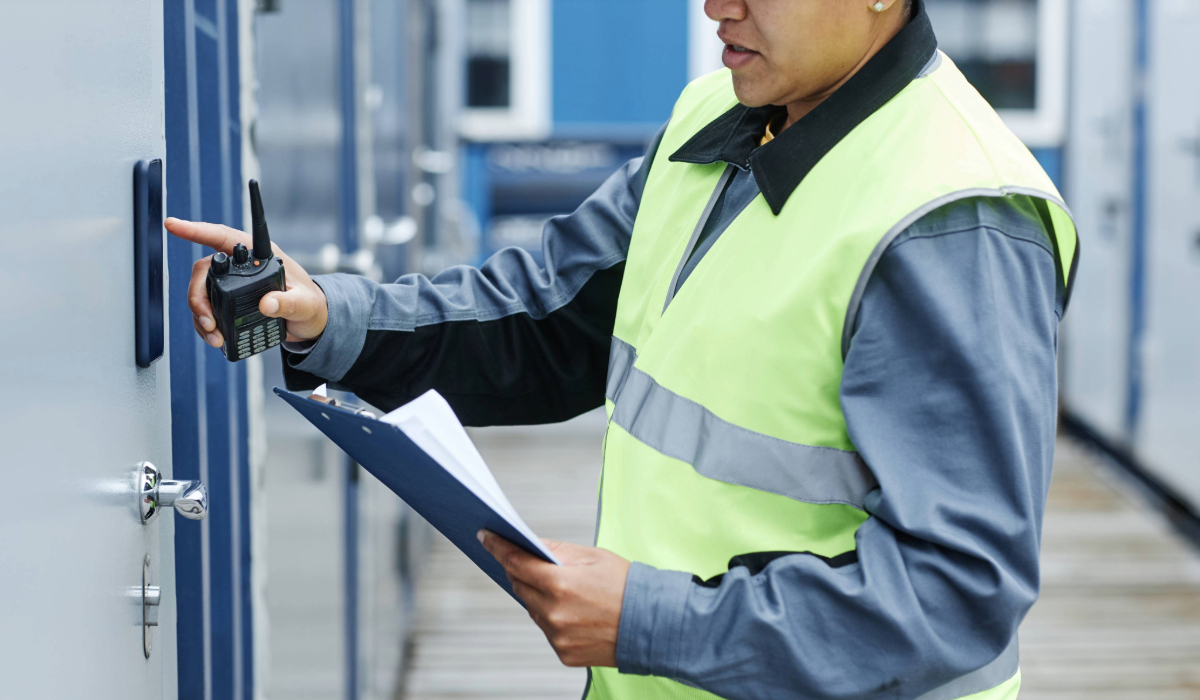
Keycard access control systems restrict who can enter specific areas of a warehouse — limiting inventory access to authorized personnel, creating a timestamped log of every entry and exit, and eliminating the risk posed by lost or copied keys.
In a warehouse or distribution center, access control can be applied to receiving docks, storage rooms, server rooms, cage storage for high-value goods, and any area where unrestricted employee access creates risk. Alarm.com Business Activity Analytics extends this capability by adding occupancy monitoring, people counting, and heat mapping, providing operations managers with data on how personnel move through the facility and when.
When combined with CCTV cameras and video analytics, access control creates a complete audit trail: not just who entered a restricted area, but visual confirmation of what occurred during that access event.
How Does a Monitored Burglar Alarm System Protect a Warehouse After Hours?
A monitored burglar alarm system provides around-the-clock protection by detecting unauthorized entry through contact sensors on doors and windows, motion detectors in open floor areas, and glass break sensors, and immediately alerts our Central Monitoring Station when triggered.
General Security’s commercial burglar alarm systems are monitored by a TMA Five Diamond-certified Central Station, the highest level of monitoring certification in the industry. When an alarm is triggered at a warehouse or distribution center, trained monitoring agents verify the event and dispatch local law enforcement, without requiring the business owner to be on site or available.
For facilities that operate night shifts or have irregular staffing schedules, smart arming schedules through the Alarm.com platform allow you to arm and disarm automatically based on operating hours, eliminating human error and ensuring the system is always active when the facility is most vulnerable.
What Is Mobile Surveillance and When Should a Warehouse Use It?
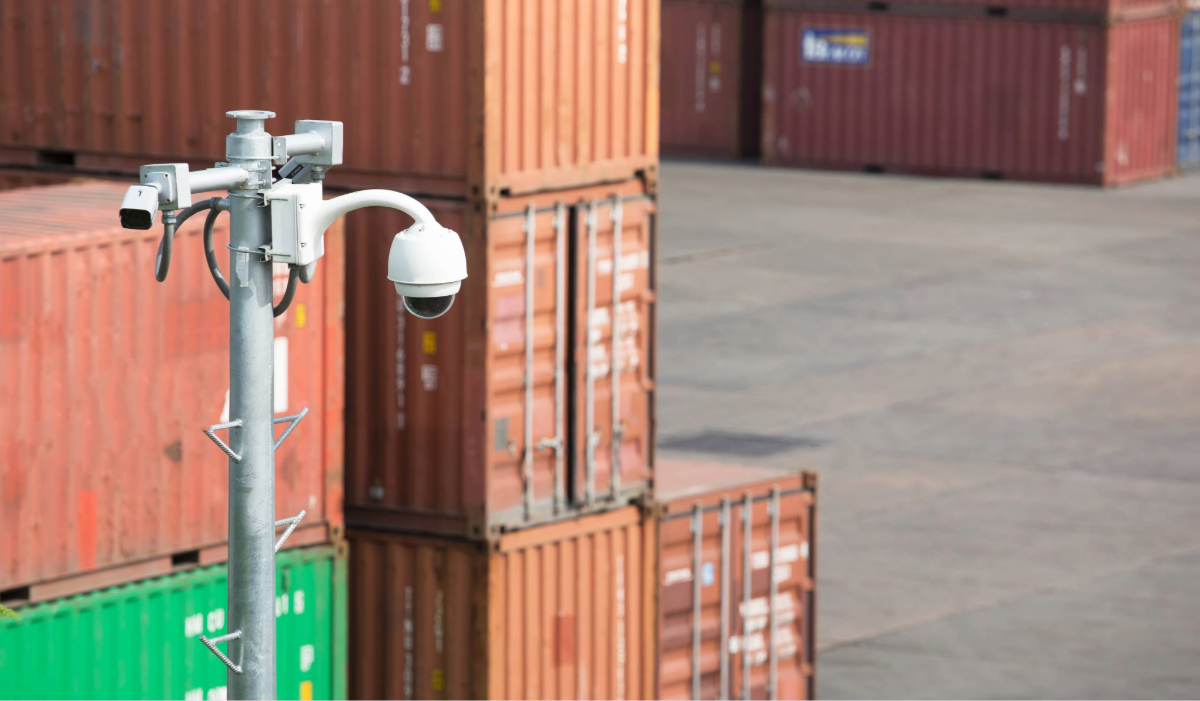
Mobile Surveillance Units (MSUs) are self-contained, rapidly deployable security towers equipped with cameras, loudspeakers capable of live talk-down, and solar or generator power. They provide immediate surveillance coverage for outdoor areas, overflow lots, and locations where permanent infrastructure isn’t yet in place.
For warehouse and distribution facilities with large exterior footprints, seasonal overflow storage areas, or construction zones, our mobile surveillance units deliver flexible coverage without the cost and lead time of permanent installation. Units can be deployed quickly and repositioned as operational needs change.
MSUs include low-light cameras with up to 250-meter range and 32x optical zoom, loudspeakers for live talk-down capability, and optional Video Alarm Monitoring through a Central Monitoring Station. Units can run on solar power for up to seven days without direct sunlight, making them viable for remote staging areas and unmanned lots.
How Can Warehouses Secure Loading Docks Specifically?
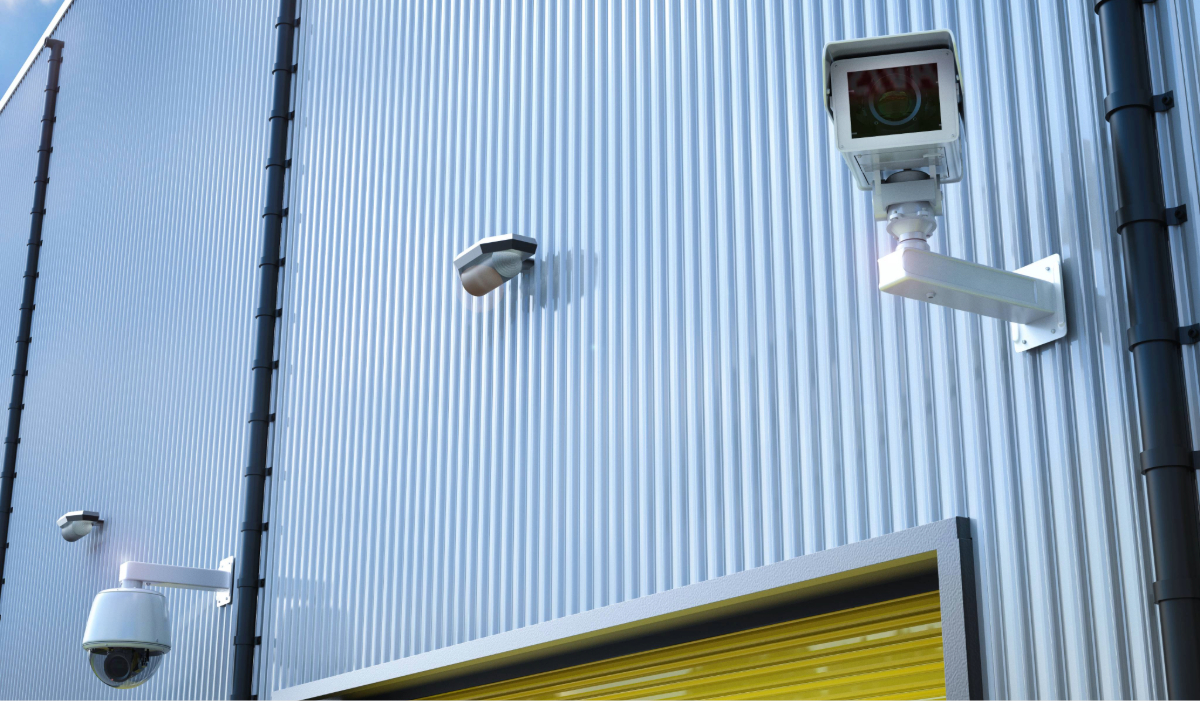
Loading docks are the highest-risk entry point in most warehouse and distribution facilities, as they require frequent access by drivers, vendors, and contractors who are not regular employees, and often operate during off-hours when oversight is limited.
The following combination of technologies addresses the specific vulnerabilities of loading dock security:
-
Intercom and entrance systems: Two-way audio/video intercoms at dock entrances allow managers to screen delivery personnel and vendors remotely before granting access without requiring staff to be physically present at the door.
-
Video surveillance at dock doors: Cameras positioned at each dock door capture inbound and outbound activity, creating a visual record of every delivery, pickup, and access event.
-
Access control for dock personnel: Keycard or key fob credentials can be issued to approved vendors and contractors with time-limited or schedule-restricted access that automatically expire when a contract ends.
-
Alarm.com mobile app management: Operations managers can monitor dock camera feeds, receive instant alerts, and remotely arm or disarm dock access points from any location through the Alarm.com app.
How Can Warehouses Improve Night Shift Security?
Night shift security in warehouses requires a system that operates independently of staff being on site. Reduced headcount, shift handoffs, and low-light conditions create the highest-risk window for both internal and external theft.
The most effective night shift security strategies for warehouses combine:
-
24/7 professional monitoring: A TMA Five Diamond-certified Central Monitoring Station provides continuous oversight and law-enforcement dispatch, regardless of the time of day or on-site staffing levels.
-
Low-light video surveillance: Cameras with infrared night vision maintain clear coverage of interior aisles and exterior perimeters after dark, ensuring incidents are captured with sufficient detail for identification and prosecution.
-
Alarm.com Perimeter Guard: Active deterrents, like flashing lights and sirens, respond to perimeter intrusions automatically, often stopping theft attempts before any entry is made.
-
Smart arming schedules: Alarm systems arm automatically at shift end and disarm at shift start, eliminating the risk that a departing employee forgets to secure the facility.
-
Mobile Surveillance Units: For exterior lots and areas without permanent camera infrastructure, MSUs provide flexible night coverage with remote monitoring capability.
Can Warehouse Security Systems Be Managed Remotely?
Yes. The Alarm.com platform allows warehouse managers and business owners to arm and disarm alarm systems, view live and recorded camera feeds, receive instant alerts, manage access credentials, and monitor multiple locations, all from one mobile app, from any location.
Remote management is especially important for operations managers responsible for multiple warehouse locations, or for business owners who are not always on site during night shifts and off-hours. The Alarm.com mobile app consolidates all security functions into one interface — cameras, alarms, access control, and activity analytics — so that a complete picture of facility security is always accessible.
General Security provides a thorough facility survey and assessment prior to installation, ensuring:
-
All components are properly positioned for the specific layout
-
Operational schedule
-
Risk profile of each warehouse or distribution center
-
Compliance with applicable fire codes, ADA regulations, and local requirements
How Do You Get Started with Warehouse Security?
Working with an experienced commercial security systems provider is the most effective way to make sure your warehouse or distribution center is protected at every vulnerability point — from the perimeter fence to the loading dock to the interior storage floor. Request a free quote today.